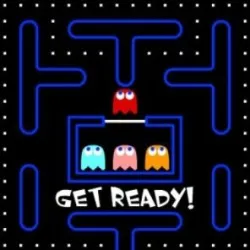
Pacman 30th Anniversary
Level Up Your Day: How to Find Management Fun in Pacman's 30th Anniversary (and Beyond!)
Okay, let's be honest. Store management games aren't always the first thing that springs to mind when you're looking for a quick gaming fix. They can sometimes feel overwhelming with their spreadsheets and resource allocation. But what if I told you you could experience a surprisingly engaging, micro-management challenge within a classic arcade game? I'm talking about finding the management "game" within games like Pacman 30th Anniversary !
While not a traditional store sim, these experiences can offer surprisingly similar (and satisfying!) challenges. Let's break down how to identify, approach, and enjoy this unexpected layer of gameplay.
From Dot Muncher to Management Master: Understanding the "Gameplay"
So, how can a simple game like Pac-Man be considered a management experience? It’s all about looking beyond the surface. At its core, Pac-Man is about resource management: your time, your power-ups, and your vulnerability. Playing effectively involves making strategic decisions to maximize your score and survival.
Here's how that translates into manageable (pun intended!) elements, much like in a real management sim:
Resource Allocation (Power Pellets): Power Pellets are your temporary "budget" for dealing with ghosts. You need to decide when to use them, against which ghosts, and for how long to pursue them. Waste a Pellet early and find yourself cornered later? That's a failed budget. In a management game, this is akin to allocating funds to marketing versus product development.
Time Management: Each second spent chasing a ghost is a second not spent collecting points. Balancing aggressive pursuit with efficient dot collection is key. This is akin to prioritizing tasks in a store, deciding whether to focus on cleaning, restocking, or assisting a customer.
Risk Assessment: Going for a high-risk maneuver (e.g., weaving through multiple ghosts for a juicy power pellet) can yield a big reward, but it also comes with the potential for immediate failure. Sound familiar? That's like deciding whether to invest in a risky marketing campaign or stick to a safer, more conservative approach.
Inventory Management (Fruit): The fruit that appears during each level represents limited-time bonus resources. Deciding when to grab them, and knowing their value, is crucial for maximizing your overall score, just like managing stock efficiently in a real store.
Pattern Recognition and Prediction (Customer Behavior): The ghosts follow predictable patterns, and understanding these patterns allows you to anticipate their movements and plan your route accordingly. This is very similar to understanding customer behavior in a real store, and adapting your strategy accordingly.
Playing Pacman 30th Anniversary: A Practical Example
When you load up a game of Pacman 30th Anniversary, don’t just focus on eating dots. Think about the following as you play:
Map Awareness: Observe the maze. Where are the power pellets located? Are there any choke points that can be exploited? Just like knowing your store layout helps you guide customers, knowing the map helps you navigate danger and optimize your route.
Ghost Behavior Analysis: Pay attention to each ghost's personality. Blinky (red) is usually the most aggressive, while Inky (blue) is more unpredictable. This is like knowing which employees perform best under pressure, and which need more support.
Strategic Pacman Munching: Don't just blindly collect dots. Plan your route so that you can efficiently collect them while staying safe from the ghosts. This is like planning your store layout to maximize product visibility and sales.
Power-Up Optimization: Use the power pellets wisely. Don't waste them on a single ghost if you can use them to take out multiple ghosts at once. This is like using marketing campaigns to attract multiple customers at once.
Adaptive Decision-Making: Be prepared to change your strategy on the fly. If the ghosts are being particularly aggressive, you may need to adjust your route or use a power pellet early. This is like adapting to changing market conditions in a real store.
Tips for Maximizing the Management Experience (and Your Score)
Here are a few tips to elevate your Pac-Man game (and your perceived "management" skills):
Learn the Ghost AI: While the ghosts aren't truly "intelligent," they follow specific algorithms. Understanding these patterns will drastically improve your survival rate and scoring potential.
Practice Luring: Lure the ghosts into a specific area before activating a power pellet to maximize its effectiveness.
Don’t be Afraid to Die (and Restart): Each death is a learning opportunity. Analyze your mistakes and adjust your strategy for the next attempt.
Focus on Efficiency: Plan your routes to collect as many dots as possible while minimizing your exposure to danger.
Patience is Key: Don’t rush into dangerous situations. Take your time and observe the ghosts' movements before making a decision.
Conclusion: Finding Management Fun in Unexpected Places
While Pacman 30th Anniversary and similar classic arcade games might not be conventional store management simulations, they provide a surprisingly engaging opportunity to practice strategic thinking, resource allocation, and risk assessment. By viewing the game through a "management" lens, you can not only improve your score but also develop valuable skills that can be applied to other areas of your life. So next time you're looking for a quick gaming fix, try viewing these classics as a micro-management challenge. You might be surprised at what you discover! Now go get those high scores – and manage those ghosts!